Accelerating KDP Publishing: Leveraging Pre-Made Sudoku Interiors for Kids' Activity Books
The low-content and medium-content publishing sector on Amazon Kindle Direct Publishing (KDP) has matured significantly over the last few years. What was once a marketplace dominated by simple lined journals has evolved into a sophisticated ecosystem where quality, niche targeting, and production efficiency determine success. For entrepreneurs, freelancers, and digital creators looking to establish or scale a presence in this space, the 100 9x9 Sudoku Puzzles Book for Kids KDP represents more than just a collection of games; it is a strategic asset designed to streamline workflows while meeting specific market demands.
This resource provides a comprehensive interior template tailored for the lucrative children’s activity book niche. However, its value extends beyond the puzzles themselves. It addresses the critical intersection of creative flexibility and technical compliance that modern self-publishers must navigate. By understanding how this tool fits into broader industry trends regarding digital assets, screen-free entertainment, and content differentiation, creators can transform a standard PDF download into a unique, profitable product line.
The Strategic Value of Ready-Made Interiors in Self-Publishing
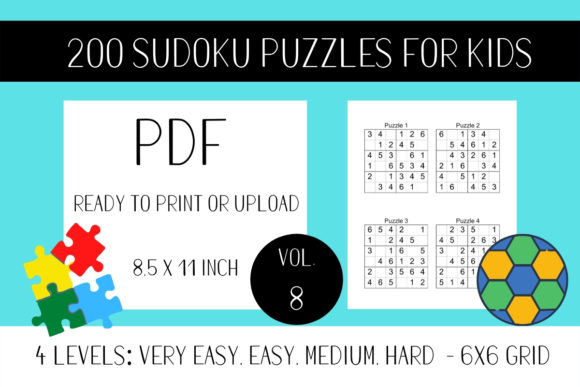
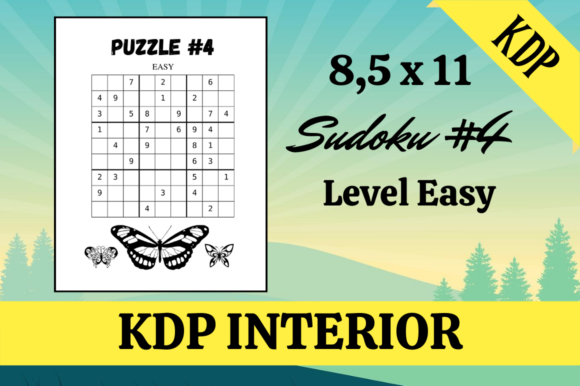
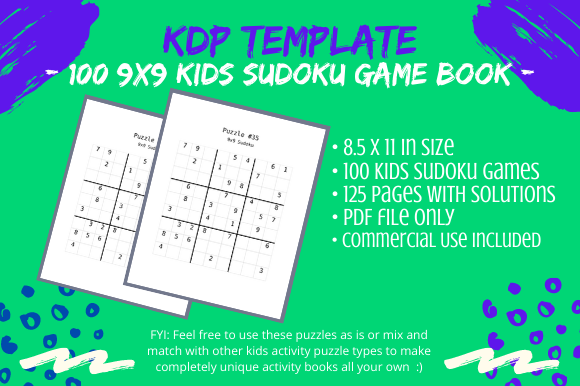
In the current digital economy, time is often the most constrained resource for independent publishers. Creating high-quality puzzle interiors from scratch requires either advanced graphic design skills or expensive software subscriptions. The 100 9x9 Sudoku Puzzles Book for Kids KDP solves this bottleneck by providing a professionally formatted foundation. This specific asset includes 100 individual Sudoku puzzles across 100 pages, accompanied by 25 pages of solutions, totaling 125 pages of content.
Crucially, this interior is pre-formatted to 8.5 x 11 inches with NO-bleed specifications. Technical formatting errors are among the leading causes of rejection or poor customer reviews on KDP. Margins that are too tight or bleed settings that cut off content can destroy a book's reputation before it gains traction. By utilizing a pre-validated template, creators mitigate these technical risks. This allows the publisher to focus their energy on the higher-value activities that actually drive sales: keyword research, cover design, marketing strategy, and brand building.
For professionals and marketers, this shifts the business model from "content creation" to "content curation and packaging." The ability to download a digital product and immediately begin customization aligns with agile development methodologies applied to publishing. It reduces the time-to-market for new titles, allowing creators to test niches faster and iterate based on real-time data rather than spending months in the design phase.
Market Trends: The Resurgence of Analog Play for Digital Natives
To understand why this specific product is relevant, one must look at the shifting preferences of modern parents and educators. Despite living in an increasingly digital world, there is a growing counter-movement toward analog, screen-free cognitive development tools. Parents are actively seeking activities that promote logical reasoning, pattern recognition, and sustained attention spans without the blue light exposure associated with tablets.
Sudoku occupies a unique position in this landscape. Unlike word searches which rely on vocabulary, or coloring books which rely on artistic expression, Sudoku is pure logic. It is universally accessible regardless of language proficiency, making it an ideal product for global markets or bilingual households. The 9x9 grid format included in this template strikes the perfect balance for the "Kids" demographic; it offers sufficient challenge to be engaging without being as intimidating as expert-level grids.
Furthermore, the post-pandemic educational landscape has placed a premium on supplemental learning resources. Teachers and homeschoolers are constantly hunting for printable or purchasable logic exercises that reinforce STEM skills in a playful manner. A well-packaged Sudoku book serves this dual purpose of entertainment and education. By positioning a book created with this interior as a "brain training" or "logic skill builder" resource rather than just a "puzzle book," creators tap into these deeper consumer motivations and educational trends.
Creative Differentiation: Avoiding the Duplicate Content Trap
A critical insight for any KDP entrepreneur is understanding Amazon’s stance on duplicate content. Because this 100 9x9 Sudoku Puzzles Book for Kids KDP is a digital template available to multiple users, simply uploading the PDF as-is is a strategic error. Amazon’s algorithms prioritize unique customer experiences, and identical interiors can lead to suppressed visibility or account warnings.
This is where the true utility of the template lies: it is designed to be deconstructed and remixed. The provided instructions explicitly encourage editing via online PDF converters to add, delete, or rearrange pages. This modularity supports a "mix-and-match" workflow that is essential for creating proprietary products. Successful publishers use this interior as a base layer, enhancing it with original elements to create a distinct intellectual property.
Practical differentiation strategies include:
- Thematic Integration: Adding custom clip art, borders, or facts related to a specific niche (e.g., space, dinosaurs, or marine biology) between puzzle pages.
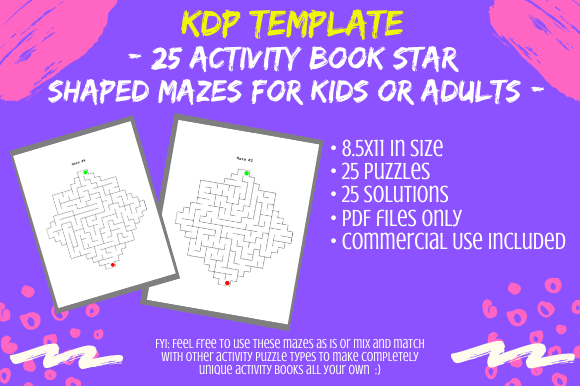
- Hybrid Formats: Combining the Sudoku pages with other game types like mazes, dot-to-dots, or coloring pages to create a comprehensive activity book rather than a single-game volume.
- Narrative Elements: Introducing a mascot or character that guides the child through the book, adding motivational quotes or tips on solving strategies.
- Structural Changes: Reordering the difficulty progression or grouping puzzles into themed chapters to alter the user experience.
By treating the 125-page PDF as raw material rather than a final product, creators ensure compliance with platform guidelines while adding genuine value for the end consumer. This approach transforms a generic commodity into a branded experience.
Technical Workflow and Best Practices for Digital Assets
Integrating pre-made interiors into a professional publishing workflow requires disciplined file management. As noted in the product documentation, the first step should always be creating a duplicate working copy. Preserving the master file ensures that you have a clean baseline for future projects or corrections. This mirrors standard software development practices where source code is never edited directly without version control.
The NO-bleed specification of this 8.5 x 11 template also dictates specific design choices. Creators must remember that all critical content, including puzzle grids and page numbers, must remain within the safe zone. When adding custom elements during the editing phase, maintaining consistent margins is vital for a professional print result. The fact that the cover, title page, and copyright page are excluded is actually a benefit; it forces the creator to generate original front matter and branding, further distancing the final product from other users of the same template.
Additionally, the inclusion of solution pages at the end of the book is a standard expectation for this genre. However, innovative creators might consider moving select solutions to a QR code-linked website or creating a "hint system" instead of full answers to increase engagement. While the template provides the standard structure, technology allows us to extend the book's functionality beyond paper. Even if keeping it purely physical, ensuring the solution pages are clearly labeled and easy to navigate is part of the user experience design that separates bestsellers from amateur publications.
The Future of Scalable Creative Entrepreneurship
The availability of resources like the 100 9x9 Sudoku Puzzles Book for Kids KDP signals a broader shift in the creator economy. We are moving away from the era of the solitary artisan who crafts every pixel by hand, toward an era of the creative director who assembles, curates, and enhances modular components. This does not diminish creativity; rather, it elevates it by removing repetitive technical labor.
For freelancers and agencies, this model allows for scalability. Instead of selling hours for design work, one can sell finished products derived from efficient templates. For enthusiasts entering the market, it lowers the barrier to entry, allowing them to compete with established publishers by leveraging professional-grade layouts from day one.
Ultimately, success in this space is no longer about who can draw the best grid. It is about who can best understand the audience, package the content effectively, and navigate the platform's requirements. This Sudoku interior template is a tool that facilitates that process. When used with intentionality—edited, enhanced, and strategically positioned—it becomes a cornerstone of a sustainable publishing business that meets the evolving needs of families seeking meaningful, screen-free engagement for their children.
As the market continues to saturate, the winners will be those who treat these assets as starting points for innovation rather than shortcuts to mediocrity. By combining the efficiency of pre-made interiors with unique creative vision and market awareness, publishers can build a portfolio that stands the test of both algorithm changes and shifting consumer tastes. The 100 9x9 Sudoku Puzzles Book for Kids KDP is not just a book interior; it is a catalyst for efficient, compliant, and creative entrepreneurship in the digital publishing age.