Strategic Implementation of KDP Medical Appointments Interior for Low-Content Publishing
Success in the Amazon KDP low-content and medium-content publishing space relies less on volume and more on the strategic utility of the assets you deploy. The KDP Medical Appointments Interior represents a functional tool designed to solve a specific organizational problem for end-users while providing publishers with a versatile, editable foundation. This 100-page, 6x9 inch interior is not merely a template; it is a structured system for health data management that requires intentional positioning to succeed in a competitive marketplace. Understanding the technical specifications and strategic applications of this asset is essential for creators, marketers, and small business owners looking to build a sustainable portfolio rather than a collection of generic notebooks.
Evaluating the Strategic Utility of Editable Source Files
The primary differentiator of this specific medical tracker pack is the inclusion of both Adobe InDesign and PowerPoint source files alongside the print-ready PDF. For entrepreneurs and publishers, this distinction is critical. A static PDF limits your ability to create unique value propositions, whereas editable source files transform a commodity into a customizable product line. Strategic use of the KDP Medical Appointments Interior begins with leveraging these files to adapt the product for distinct micro-niches within the broader healthcare category.
Consider the operational advantage of having InDesign access. You can adjust margins, modify typography for accessibility, or restructure tracking tables to suit specific conditions such as diabetes management, post-surgical recovery, or elderly care coordination. PowerPoint offers a lower barrier to entry for quick iterations, allowing marketers to test different cover-to-interior messaging alignments without significant design overhead. This flexibility supports better decision-making by enabling rapid prototyping. Instead of committing to a single generic medical journal, you can develop specialized versions that speak directly to underserved segments, thereby improving conversion rates and reducing direct competition with saturated generalist keywords.
Analyzing Functional Architecture and User Experience
The effectiveness of any low-content book depends entirely on its usability. If the interior does not facilitate the user's goal efficiently, negative reviews will inevitably erode sales velocity. The KDP Medical Appointments Interior is architected around two core functional pillars that address distinct user needs: appointment tracking and diagnostic result logging. Understanding this duality is key to marketing the product effectively.
Comprehensive Appointment Tracking
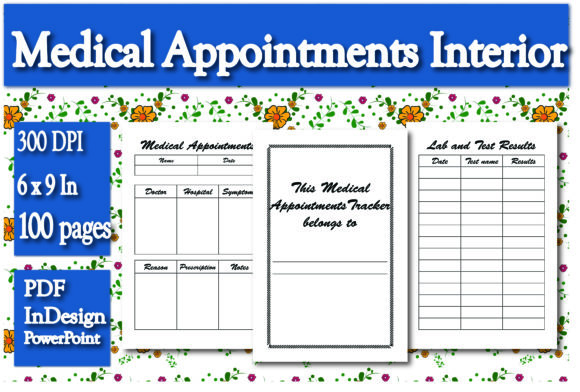
The first section includes dedicated fields for Name, Date, Hospital, Symptoms, Reason for Visit, Prescription, and Notes. This structure moves beyond simple calendar logging to capture actionable medical intelligence. From a product development perspective, this layout supports users who need to communicate complex histories to new specialists or manage care for dependents. When positioning this book, emphasize the "Prescription" and "Symptoms" correlation. This feature transforms the book from a passive diary into an active health advocacy tool, a selling point that resonates strongly with caregivers and patients managing chronic conditions.
Lab and Test Results Integration
The inclusion of a dedicated Lab and Test Results section (Date, Test Name, Results) addresses a critical gap in standard medical journals. Most generic trackers fail to account for the quantitative data that drives medical decisions. By incorporating this section, the KDP Medical Appointments Interior serves users who must track trends over time, such as blood work panels or imaging results. Strategically, this expands your target audience to include biohackers, fitness professionals monitoring biomarkers, and individuals managing long-term treatment plans. Highlighting this specific functionality in your listing copy and A+ content can significantly improve relevance for high-intent search queries related to health monitoring.
Operational Considerations for Print Optimization
While the digital files offer creative freedom, the physical constraints of KDP printing demand rigorous attention to detail. The 6x9 inch trim size is the industry standard for portability, but it leaves little margin for error in layout design. Before uploading the PDF version of the KDP Medical Appointments Interior, verify that all interactive elements respect safe zones and bleed requirements.
- Gutter Margins: With 100 pages, gutter creep is a tangible risk. Ensure the binding margin is sufficient so that writing spaces near the spine remain usable. If customizing the InDesign file, increase the inner margin slightly beyond default templates to enhance the user experience.
- Paper Opacity: Standard KDP paper is 55# (90 GSM). Users may write with gel pens or markers in the "Notes" or "Results" sections. Design elements should avoid heavy ink coverage on reverse sides to prevent bleed-through complaints.
- Ownership Page: The included “This Medical Appointment Tracker belongs to” page is not just a formality; it is a privacy feature. Given the sensitive nature of HIPAA-related data, this page reinforces the book’s role as a secure, personal record. Retain and perhaps enhance this element to signal professionalism and respect for user privacy.
Risk Mitigation and Intentional Deployment
Deploying the KDP Medical Appointments Interior without clear goals or contextual awareness introduces unnecessary risk. The most common failure mode in this niche is treating the asset as a standalone revenue stream rather than part of a cohesive brand strategy. Randomly uploading this interior with generic titles like "Medical Journal" leads to invisibility. Success requires aligning the product with specific user personas and validating market demand before scaling.
Another significant risk involves regulatory and ethical boundaries. While this is a tracking tool and not a medical device, marketing language must remain compliant. Avoid making health claims or suggesting the book replaces professional medical advice. Focus strictly on organization, record-keeping, and communication facilitation. Furthermore, relying solely on the provided PDF without customization increases vulnerability to duplicate content filters and reduces perceived value. Use the source files to add unique introductions, resource lists, or condition-specific tips that differentiate your edition from others using the same base template.
Maximizing Long-Term Value Through Strategic Adaptation
To achieve sustainable results, view the KDP Medical Appointments Interior as a modular component of a larger ecosystem. Educators and health coaches can bundle this tracker with informational guides. Freelance medical writers can use it as a lead magnet or physical companion to digital courses. Small business owners in the wellness space can white-label the interior (within licensing terms) to create branded merchandise for clients.
Planning for long-term success also involves iterative improvement based on customer feedback. Monitor reviews for mentions of missing fields or layout frustrations. Because you possess the InDesign and PowerPoint files, you can release updated editions that address these pain points faster than competitors locked into static designs. This agility turns customer service insights into product development advantages. Additionally, consider creating complementary interiors—such as medication logs or insurance claim trackers—that cross-sell naturally with this appointment book, increasing average order value and customer lifetime value.
Decision-Making Framework for Publishers
Before integrating this asset into your catalog, apply a practical decision-making framework to ensure alignment with your business objectives. Ask whether the current market saturation allows for a differentiated entry. Evaluate if you have the capacity to customize the source files meaningfully. Determine if your existing audience or marketing channels can support a health-focused product. If the answer to these questions is affirmative, the KDP Medical Appointments Interior offers a high-leverage opportunity. However, if you intend to upload the unmodified PDF with minimal effort, reconsider the investment. The low-content landscape has matured; rewards now accrue to those who prioritize utility, quality, and strategic positioning over sheer output volume.
Ultimately, this 100-page, 6x9 inch tracker is a sophisticated instrument for health organization. Its value lies not in the pages themselves, but in how thoughtfully you adapt, position, and deliver it to users who genuinely need better systems for managing their medical lives. By approaching this asset with the rigor of a product manager rather than a passive uploader, you transform a simple template into a durable business asset capable of generating consistent, long-term returns.