Sunflower One Good Thing a Day Journal: A Strategic Tool for Clarity and Resilience
In high-performance environments, the difference between sustainable success and burnout often lies not in workload capacity, but in cognitive framing. Professionals, entrepreneurs, and creators frequently operate under a negativity bias, where operational friction and unresolved problems dominate mental bandwidth. The Sunflower One Good Thing a Day Journal serves as more than a sentimental keepsake; it functions as a structured cognitive intervention designed to recalibrate attention. By systematically documenting positive data points, this tool supports better decision-making, enhances creative problem-solving, and builds the psychological resilience necessary for long-term strategic execution.
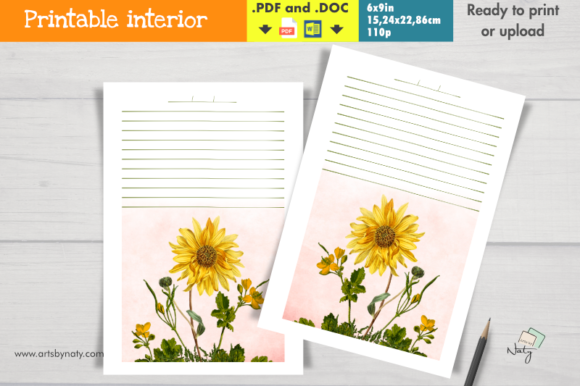
This printable resource offers a tangible method for tracking qualitative metrics that standard productivity software often misses. With a 6x9 inch form factor (15.24×22.86 cm) and 110 pages of colored interior design, it provides a dedicated space for reflection without digital distraction. Whether utilized personally or integrated into team development frameworks, understanding the strategic utility of this journal transforms it from a passive diary into an active asset for professional growth and operational clarity.
The Strategic Value of Positive Data Tracking
Decision fatigue is a documented barrier to effective leadership and creative output. When professionals focus exclusively on gap analysis—what is missing, broken, or delayed—they deplete the cognitive resources required for innovation. The Sunflower journal for One good thing a day counters this by enforcing a daily audit of value creation. This is not about ignoring problems; it is about balancing the dataset used to evaluate performance.
For marketers and business owners, this practice aligns with evidence-based management principles. Just as you track KPIs to measure external success, tracking internal wins creates a baseline for morale and engagement. Over 110 pages, users build a longitudinal record of progress. This archive becomes invaluable during quarterly reviews or periods of stagnation, providing concrete evidence of momentum when subjective feelings suggest otherwise. The sunflower theme itself acts as a visual anchor, leveraging color psychology to associate the act of reflection with warmth and growth, thereby reducing the friction of starting the habit.
Enhancing Creativity and Problem Solving
Creativity requires psychological safety and cognitive flexibility. Chronic stress narrows focus, pushing the brain toward survival mechanisms rather than expansive thinking. By using the Sunflower One Good Thing a Day Journal to document small victories, learning moments, or successful collaborations, professionals prime their brains for associative thinking. This state is essential for connecting disparate ideas, a core competency for bloggers, educators, and product developers.
- Pattern Recognition: Regular entries help identify which activities consistently generate satisfaction and flow, allowing for better project prioritization.
- Resilience Building: Documenting navigation through challenges reinforces self-efficacy, making future obstacles appear more manageable.
- Communication Assets: Entries often contain raw material for storytelling, case studies, or authentic social media content that resonates with audiences.
Integrating the Journal into Professional Workflows
To derive maximum ROI from the Sunflower One Good Thing a Day Journal, users must approach it with intentionality rather than treating it as an afterthought. The physical specifications matter here. The 6x9 inch size is portable enough for travel yet substantial enough to serve as a permanent desk reference. The availability of both PDF and DOC files allows for hybrid workflows: print the PDF for tactile, screen-free reflection, or utilize the DOC file for digital integration if preferred.
Strategic integration involves linking the journaling practice to existing operational rhythms. For freelancers and solopreneurs, this might mean completing an entry immediately after closing the laptop to create a definitive boundary between work and rest. For team leaders, it could involve modeling the behavior by sharing one good thing during stand-ups to shift team culture. The absence of watermarks ensures that the printed version maintains a professional aesthetic, suitable for use in client-facing workshops or corporate wellness programs without appearing unbranded or low-quality.
Practical Application Scenarios
Different professional roles require distinct approaches to utilizing this tool effectively. Random positivity lacks strategic weight; contextualized reflection drives results.
- For Entrepreneurs: Focus on validation and pivot points. Record moments where customer feedback validated a hypothesis or where a failed experiment provided crucial data. This reframes "failure" as "tuition," maintaining the stamina needed for venture building.
- For Educators and Coaches: Document student breakthroughs or successful lesson adaptations. This combats compassion fatigue and builds a repository of teaching wins that can inform future curriculum planning and personal branding.
- For Marketers and Creators: Track campaign micro-wins and audience interactions. Use these entries to identify which messaging truly resonates versus what merely performs well on vanity metrics. This grounds strategy in human connection.
- For Operations Managers: Note process improvements and team collaborations. In roles defined by firefighting, recording systemic successes helps justify resource allocation and highlights areas of operational excellence often overlooked in crisis reports.
Risk Mitigation: Avoiding Toxic Positivity
A critical consideration for any professional adopting the Sunflower journal for One good thing a day is avoiding the trap of toxic positivity. The goal is not to suppress negative emotions or ignore systemic issues. Forced optimism can lead to disengagement and poor risk assessment. Instead, the journal should be used for realistic appreciation.
If a day was objectively difficult, the "one good thing" might be a lesson learned, a boundary set, or simply the completion of a mandatory task. This nuance preserves the integrity of the practice. Users must understand that this tool complements, rather than replaces, rigorous operational analysis. It addresses the human element of performance. Relying solely on positive tracking without addressing root causes of dissatisfaction will yield diminishing returns. The journal works best when paired with honest post-mortems and actionable planning.
Technical Specifications and Usage Flexibility
The practical design of this resource supports varied usage contexts. Understanding the deliverables ensures users can deploy the tool immediately without technical friction.
- Format Versatility: Includes 1 PDF file ready for immediate printing and 1 DOC file with a colored interior. This dual-format delivery accommodates both traditionalists who benefit from handwriting and digital natives who prefer typing.
- Print Optimization: Sized at 6x9 inches (15.24×22.86 cm), it fits standard paper sizes and commercial binding services. The 110-page count provides approximately three to four months of daily tracking, a sufficient duration to establish habit formation and gather meaningful trend data.
- Commercial Cleanliness: No watermarks of any kind appear on the product. This is essential for coaches, therapists, or HR professionals who may wish to print copies for clients or employees as part of a broader development package.
- Aesthetic Function: The colored interior and sunflower motif are not merely decorative. Visual consistency aids habit stacking, making the journal instantly recognizable as a dedicated space for strategic reflection amidst a cluttered workspace.
Making the Decision to Implement
Adopting the Sunflower One Good Thing a Day Journal is a low-cost, high-potential intervention for professionals seeking to optimize their cognitive environment. However, its effectiveness depends entirely on user commitment and contextual application. Before acquiring this resource, assess your current reflection habits. If you find yourself ruminating on errors or feeling disconnected from your progress, this structured approach offers a corrective mechanism.
Consider this journal as infrastructure for your mindset. Just as you invest in software to manage projects, investing in a dedicated system for managing perspective yields compound interest over time. The ability to print a clean, professional-grade copy means there is no barrier to entry. Whether you are a solo creator needing to maintain momentum or a leader aiming to foster a resilient team culture, the discipline of identifying one good thing daily creates a foundation of stability upon which ambitious goals can be built.
Ultimately, the value lies in the accumulation of data points that prove progress is happening even when it feels invisible. Get yours now to begin constructing a verified record of your professional journey. The combination of strategic intent, accessible formatting, and watermark-free usability makes this specific edition a pragmatic choice for serious practitioners. By anchoring your daily routine in deliberate appreciation, you create the mental clarity required to navigate complexity and achieve sustainable results.