Bill Tracker Bills Journal KDP Interior: A Comprehensive Guide for Publishers
In the expanding world of low-content and medium-content publishing, finding a niche that balances consistent demand with practical utility is essential for long-term success. Financial organization remains a perennial concern for households and small business owners alike, creating a steady market for physical tracking tools. The Bill Tracker Bills Journal KDP Interior addresses this specific need by providing a structured, ready-to-publish solution for Amazon sellers. Rather than spending dozens of hours designing grids, tables, and layouts from scratch, creators can leverage pre-formatted interiors that have been specifically optimized for the Kindle Direct Publishing platform.
This resource is not merely a collection of blank pages; it is a functional product designed to solve a real-world problem for the end consumer. For the publisher, it represents a significant reduction in production time and technical risk. Understanding the components, applications, and strategic value of this interior template is crucial for anyone looking to build a sustainable portfolio in the financial planning niche.
Understanding the Product Specifications and Deliverables
When evaluating digital assets for KDP, technical compliance is just as important as aesthetic appeal. A rejected file due to margin errors or resolution issues can delay a launch by days or weeks. This specific Bill Tracker Bills Journal KDP Interior package eliminates much of that uncertainty through rigorous pre-testing and comprehensive file inclusion.
File Formats and Editability
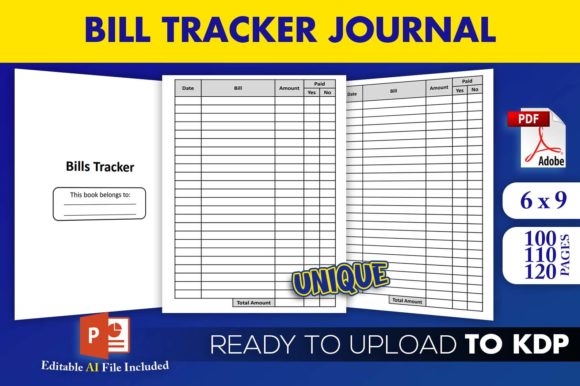
The download includes an Editable Source File in PowerPoint (PPTX) format. This is a critical feature for publishers who wish to differentiate their products. While the PDF files are ready for immediate upload, having access to the source file allows you to:
- Modify fonts to match a specific brand identity or cover design.
- Add introductory pages, disclaimers, or "This Book Belongs To" sections.
- Adjust column widths or header text to target specific sub-niches (e.g., "Medical Bill Tracker" vs. "Utility Bill Tracker").
- Create bundled variations without purchasing multiple templates.
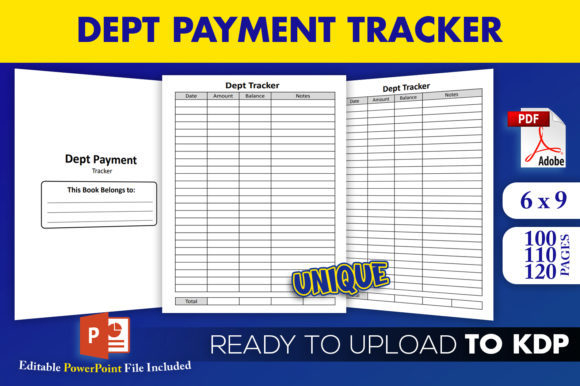
In addition to the editable source, the package provides three high-resolution PDF files. These are print-ready and have been tested on KDP to ensure they meet bleed, margin, and DPI requirements. The availability of three distinct page counts—100, 110, and 120 pages—offers strategic flexibility. Different page counts allow publishers to test various price points and perceived values. A 100-page journal might serve as an entry-level quarterly tracker, while a 120-page version could be marketed as a comprehensive annual log.
Trim Size and Resolution
The interior is formatted for the 6×9 trim size, which is arguably the most versatile dimension for financial journals. It is large enough to accommodate detailed writing and calculations yet compact enough to fit in a desk drawer, handbag, or briefcase. High-resolution interiors are non-negotiable in this category; users must be able to write clearly on the lines and read small text in table headers without eye strain. The provided files maintain crisp vector-quality lines and text, ensuring a professional unboxing experience for the customer.
Practical Applications and Target Audience Analysis
To effectively market a book created with this interior, one must understand who uses it and why. Digital fatigue has driven a resurgence in analog financial tracking. Many consumers find that physically writing down expenses creates a stronger psychological connection to their spending habits than tapping numbers into an app.
Who Benefits from a Physical Bill Tracker?
The potential audience for a Bill Tracker Bills Journal KDP Interior extends far beyond general budgeters. Identifying specific user personas can help refine metadata and advertising strategies:
- Caregivers and Estate Managers: Individuals managing finances for elderly parents often require physical records for legal or medical reimbursement purposes. A dedicated bill journal provides an audit trail that digital apps sometimes obscure.
- Small Business Owners and Freelancers: For tax preparation, separating personal and business expenses is vital. A dedicated 6x9 tracker serves as a tangible receipt log and expense organizer during tax season.
- Debt Payoff Communities: Those following specific debt elimination strategies often prefer visual, paper-based progress tracking to maintain motivation.
- Seniors and Non-Digital Natives: A significant demographic prefers pen-and-paper methods for security and simplicity, avoiding the learning curve of complex financial software.
Real-World Usage Scenarios
Consider a freelance graphic designer who needs to track deductible software subscriptions, internet costs, and equipment purchases. Using this journal, they can log each payment date, vendor, amount, and confirmation number in a dedicated section. When quarterly estimated taxes are due, the journal serves as an immediate reference without needing to export CSV files from multiple bank accounts.
Alternatively, a household managing variable utility costs can use the tracker to monitor seasonal trends over 12 months. By recording usage alongside cost, patterns emerge that help in budgeting for high-consumption months. The structured layout of the Bill Tracker Bills Journal KDP Interior facilitates this data entry naturally, turning a chore into a manageable routine.
Evaluating Suitability for Your Publishing Portfolio
While this template offers significant advantages, it is important to assess whether it aligns with your current publishing goals and quality standards. Not every asset is right for every creator.
Strengths and Competitive Advantages
The primary strength of this package is its KDP-tested status. New publishers often struggle with gutter margins and safe zones. Because these files have been validated, the risk of rejection is minimized. Furthermore, the inclusion of multiple page counts prevents the "thin book" perception that can lead to negative reviews. Customers appreciate options, and offering a thicker variant can justify a higher royalty margin.
The editability factor also supports longevity. If KDP changes specifications or if market trends shift toward different terminology, you can update the PPTX file rather than discarding the asset entirely. This makes the Bill Tracker Bills Journal KDP Interior a reusable asset rather than a single-use product.
Considerations and Limitations
Publishers should be aware that using a commercial template means other sellers may have access to similar layouts. To mitigate this, reliance solely on the stock PDF is discouraged. Utilize the PowerPoint source file to add unique value propositions. This could include adding motivational quotes, specific instructional guides for budgeting methods like zero-based budgeting, or custom cover designs that signal a unique interior experience.
Additionally, consider the binding limitations of KDP’s 6x9 format. While 100-120 pages is ideal for lay-flat usability, going significantly beyond this in future iterations may affect how easily the book opens. The current page count range strikes an excellent balance between capacity and usability.
Best Practices for Implementation and Customization
To maximize the return on investment for this interior, adopt a strategic approach to customization and listing optimization.
Customizing the Editable Source File
Before uploading, open the PPTX file and review the master slides. Ensure that any placeholder text is removed or replaced. Consider adding a "How to Use This Journal" page at the beginning. This adds perceived value and reduces customer confusion. You might also add a yearly overview spread before the monthly tracking pages, transforming a simple bill tracker into a comprehensive financial planner.
Aligning Cover and Interior Expectations
Your cover design must accurately reflect the interior's functionality. If the Bill Tracker Bills Journal KDP Interior focuses on monthly recurring bills, avoid marketing it as a daily expense diary. Misalignment between cover promises and interior reality is the leading cause of returns and negative feedback. Use the "Look Inside" feature effectively by ensuring the first few pages showcase the actual tracking tables, not just blank filler pages.
Keyword and Category Strategy
When listing your book, use semantic keywords that match the user intent described earlier. Terms like "monthly bill organizer," "expense log book for small business," and "household budget tracker" are often more effective than generic terms like "notebook." Select categories that place the book in front of buyers actively seeking financial organization tools rather than general stationery.
Making an Informed Decision
The Bill Tracker Bills Journal KDP Interior serves as a robust foundation for publishers entering or expanding within the financial niche. Its combination of technical reliability, editable flexibility, and practical page count options addresses the most common pain points in low-content publishing. However, success ultimately depends on how well the publisher adapts the template to serve a specific audience segment.
For those seeking to streamline production without sacrificing quality, this package offers a viable path forward. By leveraging the tested PDF files for speed and the PPTX source file for differentiation, creators can build a diverse catalog of financial tracking tools that genuinely assist users in managing their economic lives. Whether you are a seasoned publisher looking to fill a gap in your inventory or a newcomer seeking a reliable first product, understanding the nuances of this interior template is the first step toward creating a valuable, enduring publication.