Sewing Planner Journal KDP Interior: A Practical Resource for Low-Content Publishers
The low-content publishing market on Amazon Kindle Direct Publishing (KDP) has evolved significantly. Gone are the days when a simple lined notebook could generate consistent passive income. Today, success relies on specificity, utility, and professional presentation. For creators targeting the textile and crafting niche, a specialized Sewing Planner Journal KDP Interior represents a strategic opportunity to serve a dedicated audience. This resource is not merely a collection of blank pages; it is a structured tool designed to solve specific organizational problems for sewists, quilters, and fashion designers.
Understanding the technical and practical aspects of this interior template is essential for publishers who want to move beyond generic journals. By leveraging pre-designed, tested files, creators can focus on marketing and keyword research rather than spending hundreds of hours on layout design. This article explores the functional value, technical specifications, and real-world applications of these interiors to help you determine if they align with your publishing goals.
The Functional Purpose of Sewing-Specific Interiors
To evaluate the suitability of a Sewing Planner Journal KDP Interior, one must first understand the end-user's pain points. Sewing is a project-based hobby and profession that involves complex variables. Unlike general journaling, tracking a sewing project requires monitoring fabric yardage, pattern adjustments, notion inventory, and construction steps. A standard diary cannot accommodate this data effectively.
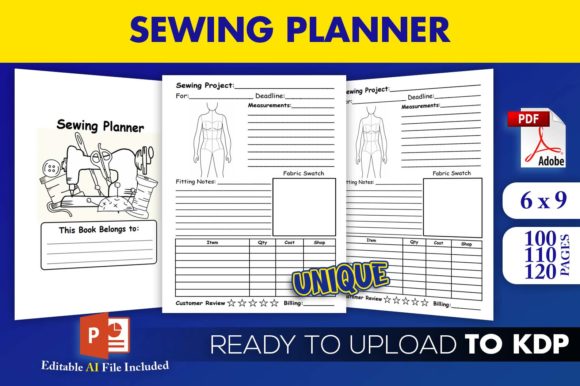
This specific interior addresses those needs through structured prompts and dedicated tracking sections. When a user purchases a book created with this interior, they are acquiring a project management system. The value proposition lies in the organization of information. Key functional areas typically included in high-quality sewing planners involve:
- Project Overview Pages: Dedicated space for sketching designs, noting fabric types, and recording pattern numbers.
- Measurement Charts: Standardized tables for body measurements versus garment measurements, crucial for fit adjustments.
- Fabric Inventory Logs: Tracking stash depth, including material composition, width, and purchase date.
- Cost Analysis Sheets: Calculating the true cost of handmade items by factoring in materials, notions, and hourly labor rates.
- Stitch and Technique Reference: Quick-access guides for tension settings or seam allowances.
For the KDP publisher, this functionality translates to higher perceived value. Customers searching for "sewing project tracker" or "quilter’s logbook" are looking for these exact features. Providing a comprehensive solution increases the likelihood of positive reviews and repeat customers.
Technical Specifications and File Integrity
A major barrier to entry in KDP publishing is the fear of formatting errors. Margins, bleed settings, and resolution requirements are strict. This Sewing Planner Journal KDP Interior package mitigates technical risk by providing files that have been explicitly tested on the KDP platform. Understanding what is included helps streamline the upload process.
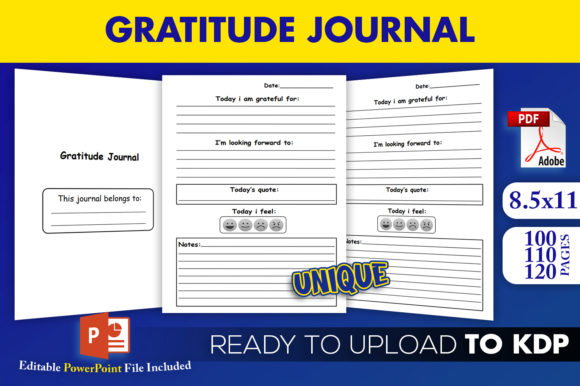
The download includes three distinct PDF files with page counts of 100, 110, and 120 pages. This variation is strategically important. Offering different thicknesses allows publishers to create multiple listings or cater to different price points. A 100-page journal may be positioned as a portable travel companion for sewing classes, while the 120-page version serves as a comprehensive annual master planner. All files adhere to the industry-standard 6×9 trim size, which is widely regarded as the optimal dimension for craft journals—large enough to write comfortably but small enough to fit in a tote bag alongside fabric swatches.
Crucially, the package includes an editable source file in PowerPoint (PPTX) format. This distinguishes a professional asset from a static template. While the PDFs are ready for immediate upload, the PPTX file offers long-term flexibility. Publishers can modify headers, add their own branding, adjust font sizes, or remove specific pages to create a unique product. This editability ensures that even if multiple sellers use the same base interior, the final published books can remain distinct through customization.
Evaluating Suitability for Your Publishing Portfolio
Not every niche fits every publisher’s strategy. Before integrating a Sewing Planner Journal KDP Interior into your catalog, consider the following factors regarding audience alignment and market saturation.
Audience Segmentation
The sewing community is diverse. You must decide which segment this interior serves best. Is it tailored for garment sewists who need fitting logs? Quilters who require block planning grids? Or perhaps cosplay creators tracking complex builds? While a general sewing planner covers broad bases, reviewing the specific page layouts in the preview will confirm if it matches your target demographic's workflow. If your existing audience focuses heavily on knitting or crochet, this specific interior may not convert well unless adapted.
Customization vs. Speed to Market
You face a strategic choice when using these assets. You can upload the pre-tested PDFs immediately to capitalize on trends or seasonal demand (such as launching before the holiday gifting season). Alternatively, you can invest time editing the PPTX source file to create a proprietary brand experience. Both approaches are valid, but they serve different business models. Rapid deployment tests market viability, while deep customization builds long-term brand equity. The inclusion of both file types supports either path without requiring additional software purchases.
Quality Assurance Expectations
Although the files are described as high-resolution and KDP-tested, responsible publishing requires personal verification. Always download the provided PDFs and review them at 100% zoom before uploading. Check that text remains crisp and that no elements fall outside the safe zone. While the provider has validated the files, platform updates or individual printer calibrations can occasionally affect output. Treating the provided files as a verified foundation rather than an infallible guarantee protects your reputation.
Real-World Applications and Use Cases
To better understand the commercial potential, consider how end-users interact with a finished Sewing Planner Journal KDP Interior. Visualizing these scenarios aids in writing compelling book descriptions and selecting relevant keywords.
Scenario A: The Professional Seamstress
A freelance tailor uses the cost analysis and client measurement pages to manage custom orders. The journal acts as a physical CRM, keeping client specs organized separate from digital distractions. For this user, the durability of the printed book and the clarity of the tables are paramount.
Scenario B: The Fashion Design Student
Students need to document their creative process for grading. They utilize the sketch pages and fabric swatch taping areas to build a portfolio alongside their coursework. The 6×9 size fits easily into studio bags, making it a practical daily companion.
Scenario C: The Hobbyist Quilter
Retirees and hobbyists often prefer analog tracking over apps. They use the project logs to record which fabrics were used in specific quilts, creating a legacy record of their work. For this demographic, large, readable fonts and ample writing space are critical selling points.
These examples highlight that the interior is not just paper; it is a facilitator of productivity and creativity. When marketing your book, speak directly to these use cases. Explain how the specific pages solve the disorganization that plagues creative workspaces.
Strengths and Considerations
Adopting a pre-made interior offers significant advantages, primarily time efficiency and technical reliability. Creating a 120-page structured journal from scratch requires advanced design skills and dozens of hours of labor. Using a tested Sewing Planner Journal KDP Interior compresses this timeline to mere minutes for upload or a few hours for customization. This efficiency allows publishers to test multiple niches rapidly.
However, there are limitations to acknowledge. Pre-made interiors are non-exclusive. Other sellers may have access to similar layouts. To compete effectively, you cannot rely solely on the interior content. Success requires differentiation through cover design, title optimization, and superior marketing copy. The interior provides the substance, but your external packaging drives the click. Additionally, ensure the PPTX file is compatible with your version of Microsoft Office or alternative software like LibreOffice to avoid formatting shifts during editing.
Making an Informed Decision
Ultimately, the decision to utilize this resource should be based on a gap analysis of your current portfolio. Do you lack a strong offering in the crafts and hobbies category? Are you seeking a reliable, tested template to reduce production friction? Does the 6×9 trim size and variable page count offer the flexibility you need for pricing strategies?
If the answer is yes, this Sewing Planner Journal KDP Interior serves as a robust foundation. It combines technical compliance with genuine user utility, addressing the core requirement of modern low-content publishing: providing actual value to the person holding the book. By focusing on the practical application of these pages and ensuring your exterior presentation stands out, you can build a sustainable asset in the evergreen sewing niche. Remember that in the world of KDP, the most successful products are those that respect the user's time and craft. This interior template is designed to do exactly that, serving as a bridge between your publishing ambitions and the tangible needs of the sewing community.