Daily Week Planner Undated: Structuring Success in a Flexible Format
In an era defined by digital saturation and notification fatigue, the return to analog planning is more than a nostalgic trend; it is a strategic response to cognitive overload. For professionals, creators, and entrepreneurs navigating complex workflows, the Daily Week Planner Undated offers a sanctuary of focus that digital apps often fail to provide. Unlike rigid dated planners that induce guilt when days are missed, an undated format respects the non-linear nature of modern work and life. It allows users to start fresh on any Monday, pause during vacations without wasting pages, and adapt their planning system to their current capacity rather than forcing their life into a pre-printed calendar grid.
This shift toward flexible, high-utility paper tools reflects a broader evolution in personal productivity. We are moving away from mere time-tracking toward intention management. The specific architecture of this planner—featuring 200 pages with a dedicated layout of one week day per page—addresses the need for granular detail without sacrificing the big picture. By combining daily scheduling with categorized task management, urgent prioritization, and space for personal reflection, this tool bridges the gap between executive function support and holistic well-being. It is designed not just for recording appointments, but for actively shaping how time and energy are allocated across professional ambitions and personal necessities.
The Evolution of Analog Planning in Digital Workflows
The relevance of a comprehensive paper planner has evolved significantly over the last decade. Initially viewed as a replacement for digital calendars, high-quality planners are now recognized as complementary cognitive tools. Research in embodied cognition suggests that the physical act of writing enhances memory retention and conceptual understanding in ways that typing cannot replicate. For marketers, bloggers, and business owners, this means that brainstorming and prioritizing on paper can lead to clearer strategic thinking before execution moves to digital platforms.
Modern workflows are increasingly hybrid and asynchronous. The traditional 9-to-5 structure has dissolved for many freelancers and remote workers, making standard weekly spreads insufficient. A layout that dedicates a full page to each of the seven weekdays acknowledges that Tuesday might require vastly different headspace and volume than Saturday. This granularity supports "deep work" sessions by providing ample room to break down complex projects into actionable steps, rather than cramming them into narrow hourly slots. Furthermore, the inclusion of specific sections for "Urgent" versus "Personal" tasks helps users practice triage, separating reactive noise from proactive value creation—a critical skill in an attention economy.
Anatomy of Effective Weekly Structure
The efficacy of a planner lies in its layout architecture. This specific Daily Week Planner utilizes a 200-page count to provide substantial longevity, covering approximately 28 weeks of intensive use or longer periods if used intermittently. The Letter Size (8.5 x 11 inches) format is deliberate; it offers the surface area necessary for detailed breakdowns without feeling cumbersome on a desk. Understanding the specific components included in this system reveals why it resonates with diverse user groups:
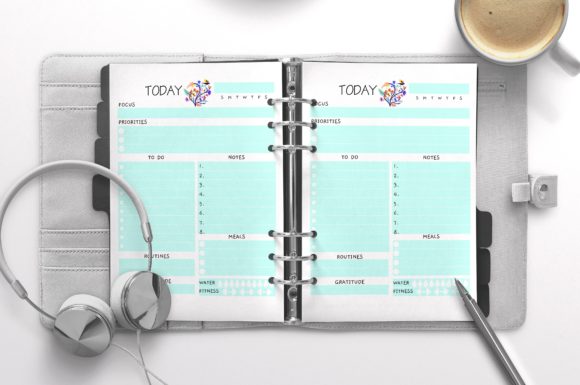
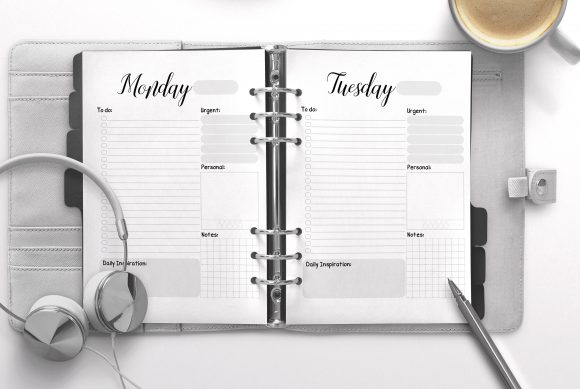
- One Week Day Per Page: This expansive layout prevents the anxiety of limited whitespace. It accommodates time-blocking, meeting notes, and project mapping simultaneously, serving as a central command post for the day.
- Categorized Task Management: Separating "To-Do," "Urgent," and "Personal" lists reduces decision fatigue. Users do not have to mentally sort priorities while writing them down; the page structure enforces a hierarchy of importance automatically.
- Daily Inspiration: While seemingly decorative, this element serves a psychological function. It provides a micro-moment of mindfulness or motivation, anchoring the user’s mindset before diving into logistical execution.
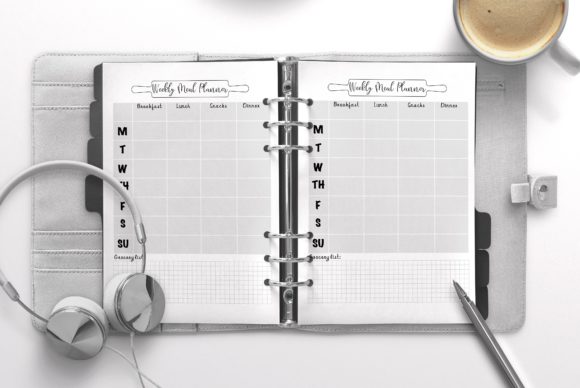
- Weekly To-Do & Grocery List: Integrating domestic logistics with professional planning acknowledges the reality of adult life. Keeping these lists in the same physical volume reduces context switching and ensures that personal maintenance does not get lost in professional busyness.
- Square Grid Page: Versatility is key for creative professionals. The grid page offers unstructured space for diagramming, wireframing, habit tracking, or freeform journaling, adapting to needs that linear lines cannot support.
Why Undated Formats Support Sustainable Habits
One of the most significant barriers to consistent planning is the "all-or-nothing" mentality associated with dated journals. Missing three days in a dated planner often leads to abandonment because the empty pages serve as visual reminders of failure. The Daily Week Planner Undated eliminates this friction point entirely. This flexibility is particularly relevant for neurodivergent individuals, those managing chronic health conditions, or anyone experiencing burnout recovery. It decouples self-worth from consistency metrics.
From a practical standpoint, undated planners also offer economic and environmental efficiency. There is no expiration date on utility. A freelancer between contracts can pause usage and resume months later without purchasing a new book. Educators can align their planning with academic semesters rather than calendar years. This adaptability transforms the planner from a disposable annual product into a durable tool for long-term habit formation. The 100-page KDP-tested specification mentioned in the product details ensures that the physical binding and paper quality can withstand this stop-start usage pattern, maintaining integrity even when carried daily in bags or backpacks.
Practical Implications for Creators and Professionals
For content creators, writers, and marketers, the integration of "Notes" and "Daily Inspiration" within the daily spread supports the capture of fleeting ideas. Creative insights rarely adhere to scheduled brainstorming sessions. Having a dedicated, structured place to record these thoughts immediately prevents loss and allows for later synthesis. The square grid page further enhances this utility, acting as a sandbox for visual thinkers who need to map out content pillars, sales funnels, or narrative arcs outside the constraints of a timeline.
Business owners and executives benefit from the explicit separation of urgent and important tasks. In leadership roles, the tyranny of the urgent often eclipses strategic planning. By physically writing urgent items in a designated box, users contain the chaos, freeing up mental bandwidth to focus on the primary "To-Do" list which typically houses higher-leverage activities. Additionally, the inclusion of a grocery list may seem minor, but for busy professionals, outsourcing cognitive load regarding household management is essential. Consolidating this into the primary planner prevents the fragmentation of attention caused by managing multiple disparate lists across sticky notes, phone apps, and fridge magnets.
Technical Specifications and Production Quality
When selecting a planner, especially one intended for daily heavy use, technical specifications matter as much as content layout. The Letter Size (8.5 x 11 in) dimension provides optimal usability for desktop work while remaining portable enough for commuters. The 200-page count strikes a balance between durability and weight; it is substantial enough to feel like a serious tool but light enough to avoid becoming a burden.
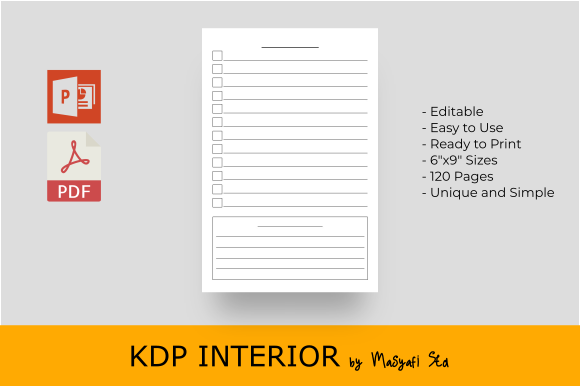
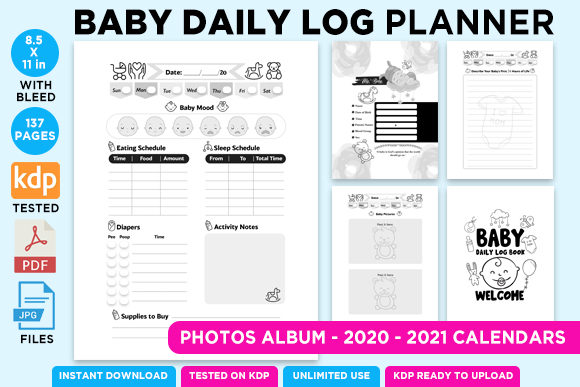
For those interested in the production side or considering similar KDP (Kindle Direct Publishing) projects, the note regarding "KDP Tested" and "JPG included" signals verified print readiness. This assurance is crucial for end-users who rely on consistent ink bleed-through prevention and margin alignment. A planner that fails technically—where text is cut off or ink ruins the next page—breaks the flow state essential for productivity. The tested nature of this template implies that the user experience has been validated against common printing pitfalls, ensuring that the focus remains on planning rather than troubleshooting the medium.
Integrating Paper Planning with Modern Life
Adopting a Daily Week Planner Undated does not require rejecting technology. Instead, it invites a more intentional relationship with it. Many successful users employ a hybrid system: the paper planner serves as the primary capture device and daily compass, while digital calendars handle reminders and shared scheduling. The paper planner becomes the space for processing, prioritizing, and reflecting, while digital tools handle storage and alerts. This division of labor leverages the strengths of both mediums.
Furthermore, the ritual of planning itself acts as a transition mechanism. In a world where work and home boundaries are increasingly porous, the act of opening the planner and reviewing the "Daily Schedule" and "Personal" sections creates a psychological container for the day. It signals to the brain that it is time to focus. The "Daily Inspiration" section reinforces this transition, offering a moment of pause that grounds the user before the rush begins. As we continue to navigate an unpredictable landscape of work and lifestyle changes, tools that offer structure without rigidity will remain essential. This planner represents a mature understanding of productivity: one that values sustainability, clarity, and the human element of getting things done.
Ultimately, the choice of a planner is a choice about how one wishes to relate to time. The Daily Week Planner Undated with its comprehensive 200-page layout offers a path toward greater agency. Whether you are a student managing coursework, a parent balancing family logistics, or an entrepreneur scaling a business, the combination of daily granularity and weekly oversight provides the scaffolding needed to turn intentions into tangible outcomes. By removing the pressure of dates and focusing on the quality of daily engagement, this tool supports a more resilient and adaptable approach to achieving goals in the modern world.