Dream and Draw Journal: KDP Interior for Kids
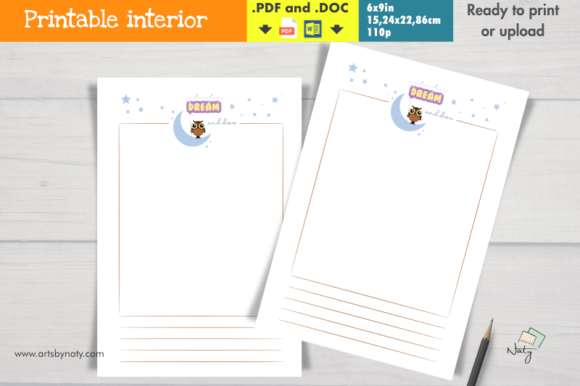
Creating a successful low-content book on Amazon KDP requires more than just uploading a generic PDF; it demands a cohesive visual identity that resonates with both the buyer and the end user. The Dream and Draw Journal and KDP Interior addresses this specific niche by combining structured reflection with open-ended creativity. Designed specifically for children, this 6x9 inch template offers a balanced layout where young users can articulate their aspirations through writing and visualize them through drawing. For publishers and designers, this resource serves as a foundational asset that bridges the gap between functional stationery and emotional engagement.
The visual personality of this interior leans into modern typography and playful yet clean editorial design. Unlike cluttered activity books that overwhelm the senses, this journal utilizes ample white space to encourage focus. The aesthetic is approachable without being juvenile, making it suitable for a wide age range. When evaluating design assets for children’s publishing, readability and visual hierarchy are paramount. This template employs a child-friendly sans serif font for prompts, ensuring legibility for early readers, while leaving generous unlined spaces for artistic expression. This deliberate choice in typeface and layout influences how a child interacts with the page, reducing friction and encouraging consistent use.
Strategic Applications in Self-Publishing and Gifting
While primarily designed as a KDP interior, the versatility of this asset extends across multiple creative and commercial projects. Understanding where and how to deploy this template can significantly enhance your product portfolio or personal gifting strategy.
- Amazon KDP Publishing: The 6x9 inch (15.24 x 22.86 cm) format is an industry standard for trade paperbacks. With 110 pages pre-formatted, this interior allows for rapid publication cycles. The colored interior option adds perceived value, distinguishing your listing from competitors using standard black-and-white interiors.
- Print-at-Home Gifts: The included A4 bonus file (8.27 x 11.69 inches) caters to parents and educators who prefer immediate access. This transforms the product from a passive digital download into an instant, tangible gift for birthdays, holidays, or classroom activities.
- Brand Identity for Kids’ Coaches: Child therapists, tutors, and mindset coaches can utilize this journal as a branded tool. By editing the copyright and ownership pages, professionals can create custom resources that reinforce their brand identity during sessions.
- Educational Supplements: Homeschoolers and teachers can integrate this journal into social-emotional learning (SEL) curriculums. The combination of writing and drawing supports different learning styles and aids in emotional processing.
For marketers and content creators, this journal also serves as excellent lead magnet material or a value-add bundle component. Its universal appeal makes it a safe yet thoughtful inclusion in digital product shops focused on family, education, or personal development niches.
Typography and Layout Considerations for Engagement
The effectiveness of any journal lies in its usability. When working with the Dream and Draw Journal and KDP Interior, attention to typographic details ensures the final product feels professional rather than amateur. Although this is a pre-made template, understanding the design principles behind it helps you market it better or customize it effectively.
The interior likely utilizes a rounded sans serif or a soft handwritten font for headers. These typefaces mimic the organic nature of childhood handwriting while maintaining the clarity of a display font. In editorial design for children, avoiding sharp serifs or overly complex script fonts is crucial for accessibility. If you choose to modify the text elements, stick to font pairings that maintain high contrast and x-height. For example, pairing a bold, playful header font with a simple, geometric body font creates a clear visual hierarchy that guides the child’s eye from prompt to action area.
Readability extends beyond font choice to spacing and alignment. The 300dpi resolution ensures that lines and graphics remain crisp when printed, preventing the muddy appearance that often plagues low-quality KDP interiors. When testing your print proof or home-printed version, verify that the ink coverage on the colored interior does not cause bleed-through. While the file is optimized, paper quality varies between KDP printing facilities and home printers. Recommending specific paper weights or settings in your product description can enhance the user experience and reduce negative reviews related to printing issues.
Customization and Commercial Licensing Best Practices
One of the significant advantages of this package is the inclusion of both PDF and DOC source files. This dual-format delivery empowers you to tailor the product to specific needs while adhering to licensing requirements. Here is practical guidance on maximizing these editable assets:
- Edit the Ownership Page: Personalization increases emotional attachment. Use the DOC file to update the “This notebook belongs to” page. Adding a unique quote, a dedication line, or even a coloring element to this page can differentiate your edition from others using the same base template.
- Update Copyright Information: Always review and edit the copyright page to reflect your publication year and pen name or imprint. Accurate metadata here protects your work and establishes professionalism.
- Verify Watermark Removal: The product guarantees no watermarks on the final files. Before uploading to KDP or selling as a printable, zoom in to 100% and scroll through every page to ensure cleanliness. Artifacts from previous edits can sometimes linger in hidden layers.
- Test Font Compatibility: When opening the DOC file, ensure you have the necessary fonts installed. If the original designer used a premium font you do not own, replace it with a free alternative like Quicksand, Fredoka, or Comic Neue to maintain the intended whimsical yet legible tone.
From a commercial standpoint, always clarify the license terms regarding derivative works. Typically, KDP interiors allow for unlimited book sales but prohibit reselling the raw digital file as-is. Adding value through customization, bundling, or physical printing keeps you compliant and builds a sustainable business model. For designers creating a series, maintaining consistency across covers and interiors strengthens brand recognition. Using this journal as part of a broader collection—perhaps paired with a gratitude journal or a reading log—creates cross-selling opportunities within your catalog.
Evaluating Fit for Your Creative Project
Before integrating the Dream and Draw Journal and KDP Interior into your workflow, assess whether its style aligns with your target audience. This template excels in markets valuing mindfulness, creativity, and gentle structure. It may be less suitable for highly academic workbooks or teen-focused planners requiring dense data tracking. The 6x9 size is portable and intimate, perfect for bedside tables or travel, whereas the A4 bonus serves desk-based activities better.
Consider the production timeline as well. Having a ready-to-print, 110-page colored interior eliminates weeks of layout design. For entrepreneurs testing new niches, this speed-to-market is invaluable. However, long-term success requires differentiation. Use the editable DOC file to tweak prompts, add seasonal themes, or incorporate bilingual elements if targeting multilingual families. Small modifications transform a generic template into a proprietary product with unique selling points.
Ultimately, this journal represents a blend of form and function. It respects the intelligence of its young users through thoughtful design while providing adults with a reliable, high-quality asset. Whether you are scaling a KDP publishing business, creating meaningful gifts, or developing educational resources, the technical specifications and aesthetic flexibility of this interior support diverse creative goals. By focusing on readability, proper customization, and strategic application, you can leverage this tool to create products that genuinely resonate with children and satisfy the discerning standards of modern buyers.