Streamlining Low-Content Publishing with a Professional Daily Gratitude Journal KDP Interior
The low-content and medium-content publishing market on Amazon has evolved significantly, shifting from simple lined notebooks to sophisticated, value-driven tools that serve specific psychological and organizational needs. Among these, gratitude journals remain a perennial bestseller due to their association with mental wellness, mindfulness, and personal development. However, the barrier to entry has risen; consumers now expect high-quality layouts, thoughtful prompts, and professional aesthetics. For publishers and creators, utilizing a pre-designed Daily Gratitude Journal KDP Interior offers a strategic advantage, balancing speed-to-market with the quality required to compete in a saturated niche. Understanding the technical specifications, customization potential, and practical applications of these digital assets is essential for anyone looking to build a sustainable portfolio in the self-publishing space.
Technical Specifications and Platform Compliance
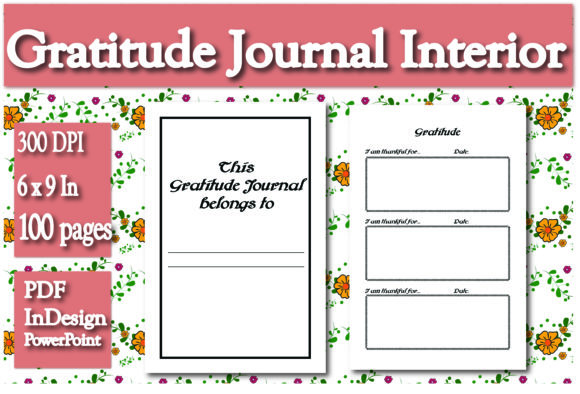
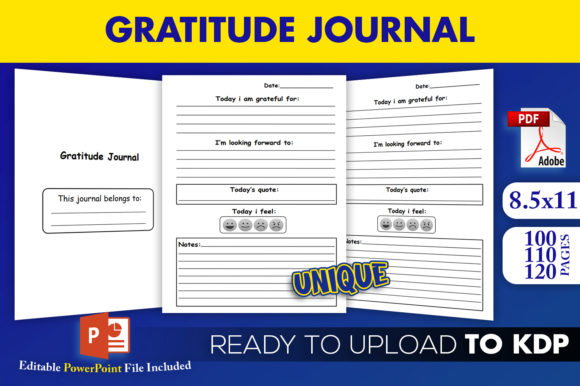
One of the most significant hurdles in self-publishing is navigating the strict technical requirements of print-on-demand platforms. A professionally engineered interior eliminates the guesswork associated with margins, bleed settings, and resolution standards. The specific asset package described here adheres to the industry-standard trim size of 8.5×11 inches, which provides ample writing space for users while remaining cost-effective regarding printing royalties. This larger format is particularly advantageous for gratitude journals, as it allows for expansive prompts, decorative elements, and generous line spacing that enhances the user experience compared to smaller 6x9 alternatives.
Crucially, these files have been explicitly tested on KDP. This validation step is vital because platform algorithms frequently update, and file rejection can delay launches by days or weeks. The inclusion of three distinct PDF interiors ready for upload ensures that publishers have immediate, compliant options. These high-resolution interiors maintain crisp text and vector-sharp graphics even after the printing process, addressing a common complaint among buyers of low-content books where pixelation or blurriness diminishes perceived value. By starting with a verified foundation, creators can focus their energy on cover design and marketing rather than troubleshooting formatting errors.
Strategic Page Count Variations for Market Testing
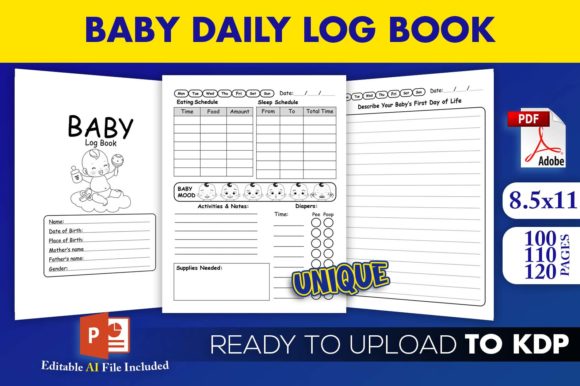
A unique feature of this resource is the provision of three different page counts: 100, 110, and 120 pages. In the context of Amazon publishing, page count is not merely a physical attribute but a strategic variable that influences pricing, spine width, and consumer perception. Having multiple versions available allows for sophisticated A/B testing without requiring additional design work.
- The 100-Page Version: This option typically results in a lower production cost, allowing for a more competitive price point. It appeals to budget-conscious consumers or those new to gratitude journaling who may be intimidated by a thicker volume. It is also ideal for seasonal editions or "starter" journals.
- The 110-Page Version: Serving as a middle ground, this count can be positioned as a standard quarterly journal (allowing for roughly 90 days of entries plus introductory and reflection pages). It offers a balance between substantial feel and affordability.
- The 120-Page Version: Thicker spines often convey higher value and durability on a bookshelf. This version supports premium pricing strategies and accommodates additional content sections, such as monthly reviews, habit trackers, or extended introductions to mindfulness practices.
By leveraging these variations, publishers can populate their catalog with multiple SKUs derived from a single core concept, increasing visibility and capturing different segments of the buyer journey.
Customization Through Editable Source Files
While ready-to-upload PDFs provide convenience, long-term success in self-publishing relies on differentiation. The inclusion of an editable PowerPoint (PPTX) source file transforms this product from a static template into a flexible design system. PowerPoint is an accessible tool for many creators who may not possess advanced skills in Adobe InDesign or Affinity Publisher, lowering the technical barrier to customization.
With the editable source file, publishers can modify virtually every aspect of the Daily Gratitude Journal KDP Interior. This capability enables several critical workflows:
- Branding Integration: Creators can add logos, website URLs, or QR codes to footer areas, building an off-platform audience and fostering brand loyalty.
- Niche Adaptation: A generic gratitude journal can be easily adapted for specific demographics. For example, changing fonts and prompts can tailor the interior for children, seniors, corporate professionals, or new mothers.
- Content Expansion: Users can insert additional pages, such as vision boards, affirmation cards, or educational content about the science of gratitude, thereby increasing the book's utility and uniqueness.
- Localization: The editable nature allows for translation into other languages, opening up international markets or non-English speaking demographics within domestic marketplaces.
This level of control ensures that the final product is not identical to others using the same base template, which is essential for maintaining intellectual property integrity and avoiding duplicate content penalties.
Educational and Therapeutic Applications
Beyond commercial publishing, these interiors serve practical functions for educators, therapists, coaches, and researchers. The structured nature of a daily gratitude journal makes it an effective tool for cognitive behavioral exercises, social-emotional learning (SEL), and organizational wellness programs. Professionals in these fields often require customized materials that align with specific curricula or therapeutic frameworks.
For educators, the ability to edit the PPTX file means creating age-appropriate journals for students. A teacher could simplify language for elementary students or add academic goal-setting sections for high schoolers. Similarly, life coaches and therapists can integrate proprietary methodologies directly into the journal pages, creating a hybrid workbook-journal that reinforces session content. Researchers studying positive psychology interventions can use standardized interiors to ensure consistency across study participants while retaining the ability to modify variables as needed.
In corporate settings, HR departments and team leaders can utilize these customizable journals as part of employee wellness initiatives. Branded gratitude journals serve as tangible reminders of organizational culture and mental health support. Because the files are high-resolution and print-ready, companies can order small batches through KDP or local printers without minimum order quantities, making it feasible to implement wellness programs for teams of any size.
Workflow Efficiency and Quality Assurance
Time management is a critical factor for self-publishers managing large portfolios or balancing publishing with other professional responsibilities. Creating a high-quality journal interior from scratch requires dozens of hours of layout design, typography selection, and proofreading. Utilizing a pre-tested Daily Gratitude Journal KDP Interior compresses this timeline significantly.
However, efficiency should not come at the expense of quality assurance. Even with tested files, best practices dictate a thorough review process before publication. Publishers should download the provided PDFs and inspect them at 100% zoom to verify alignment and readability. When making edits in the PowerPoint source file, it is advisable to export a test PDF and use KDP’s previewer tool to check for margin violations or unintended formatting shifts. This hybrid workflow—leveraging professional templates while applying personal oversight—maximizes both speed and product integrity.
Considerations for Sustainable Publishing
While pre-made interiors offer numerous advantages, successful publishers approach them as foundations rather than finished products. The most sustainable businesses in this space add unique value through curation, branding, and supplementary content. Relying solely on unmodified templates can lead to market saturation and diminished returns over time.
Furthermore, understanding the target audience is paramount. A gratitude journal designed for busy professionals will differ significantly from one intended for retirees or teenagers. The editable PPTX file facilitates this audience-centric approach, allowing creators to adjust tone, complexity, and visual style to match user expectations. High-resolution interiors ensure that regardless of the modifications made, the final printed product maintains a professional appearance that encourages repeat purchases and positive reviews.
Ultimately, resources like this bridge the gap between creative aspiration and technical execution. They democratize access to professional-grade publishing tools, enabling a diverse range of creators—from hobbyists to established businesses—to participate meaningfully in the wellness and self-help market. By combining technical compliance, strategic flexibility, and customization capabilities, these interiors support not just individual book launches, but the development of comprehensive, audience-focused publishing strategies.