Wide Lined Interior for KDP: Practical Notebook Design
Creating a successful low-content book on Amazon KDP requires more than just uploading a generic template; it demands an understanding of how real people use physical notebooks. A wide lined interior for KDP serves as one of the most versatile foundations for publishers because it bridges the gap between early education tools and adult accessibility needs. While standard college-ruled paper dominates the market, wide ruled formats capture specific niches that are often underserved. When you utilize a professionally structured interior that includes multiple size variations, you move beyond simple replication and start building a functional product line that addresses genuine user requirements.
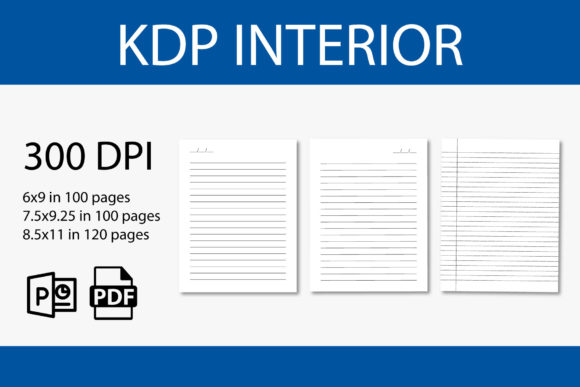
The value of a comprehensive interior bundle lies in its adaptability. Having access to distinct configurations—such as 7.5x9.25 inches with 100 pages, 8.5x11 inches with 120 pages, and 6x9 inches with 100 pages—allows you to test different market segments without redesigning your core asset. These dimensions are not arbitrary; they correspond to specific use cases ranging from classroom learning to professional field notes. By leveraging PDF-ready files and editable PowerPoint sources, creators can maintain high production standards while retaining the flexibility to customize margins, headers, or branding elements to suit their unique aesthetic.
Understanding the Wide Ruled Advantage
Wide ruled paper typically features a line spacing of approximately 11/32 inches (8.7mm), which is significantly broader than the 9/32 inches found in college-ruled alternatives. This extra space is the primary selling point, but the application extends far beyond elementary school handwriting practice. For adult users, this spacing offers tangible benefits that drive purchasing decisions. Individuals with motor control challenges, vision impairments, or those who simply prefer a less cluttered page find wide lined interiors more inviting and usable. In an era where digital fatigue is prevalent, the tactile experience of writing on spacious paper provides a sense of calm and organization that dense text cannot offer.
From a publishing perspective, wide lined interiors allow for higher perceived value in specific categories. Journals focused on gratitude, mindfulness, or language learning often benefit from the breathing room that wider lines provide. When a user has space to write legibly without feeling cramped, they are more likely to engage consistently with the notebook. This engagement translates to better reviews and repeat customers. The key is to position the product correctly; rather than marketing it solely as "school supplies," frame it as a tool for accessible journaling, therapeutic writing, or specialized note-taking.
Strategic Applications for Different Trim Sizes
Selecting the right trim size is as critical as choosing the line spacing itself. Each dimension included in a comprehensive interior package serves a distinct purpose in the KDP ecosystem. Understanding these nuances helps you match the product to the audience.
- 6x9 Inches (100 Pages): This is the quintessential portable format. It fits easily into purses, back pockets, and small bags. For wide ruled paper, this size is ideal for vocabulary logs, travel diaries, or pocket-sized prayer journals. The smaller canvas encourages concise entries, making the wide spacing feel intentional rather than wasteful. It is also a lower price point entry, perfect for testing new cover designs or niche keywords.
- 7.5x9.25 Inches (100 Pages): Often overlooked, this intermediate size strikes a perfect balance between portability and writing surface area. It feels substantial in the hand without being cumbersome. This format works exceptionally well for composition-style notebooks, teacher planning journals, or daily gratitude logs where users want more room than a pocket notebook but do not need a full letter-sized page. It distinguishes your listing from the saturated 6x9 and 8.5x11 markets.
- 8.5x11 Inches (120 Pages): The standard letter size remains the gold standard for academic and professional use. With 120 pages, this format offers longevity. Wide ruled interiors in this size are perfect for large-print journals for seniors, homeschooling workbooks, speech therapy logs, and drafting manuscripts. The increased page count adds value perception, justifying a higher royalty margin while serving users who require maximum visibility and space.
Leveraging Editable Source Files for Customization
One of the significant advantages of acquiring interiors that include PowerPoint source files alongside print-ready PDFs is the ability to differentiate. While the PDF is convenient for immediate upload, the editable file empowers you to create a proprietary product. You might add a motivational quote at the bottom of every tenth page, insert a custom logo in the footer, or adjust the margin to accommodate spiral binding if you plan to expand to other platforms later.
Customization also extends to creating series coherence. If you are building a brand around accessible learning or senior wellness, having editable interiors allows you to maintain consistent typography, header styles, and layout structures across all three trim sizes. This consistency builds brand recognition. Customers who love your 6x9 vocabulary journal will trust that the 8.5x11 workbook maintains the same quality and user experience. Furthermore, editing the source file enables you to fix any potential issues with bleed or safe zones specific to your cover design, ensuring a professional finish that avoids KDP rejection or printing errors.
Niche Targeting and Audience Alignment
Success with wide lined interiors comes from precise audience targeting. Generic "notebooks" struggle to gain traction, but specialized tools thrive. Consider the following practical applications for your KDP business:
- Senior Care and Accessibility: Create large-print journals specifically marketed to older adults experiencing vision changes. Pair the 8.5x11 wide ruled interior with high-contrast covers and clear, sans-serif fonts. Focus on themes like memoir writing, daily memory keeping, or simple scheduling.
- Language Acquisition: Wide spacing is invaluable for learners practicing new scripts or characters. The 7.5x9.25 size is excellent for Kanji, Hangul, or Cyrillic practice where vertical height matters. Market these as dedicated practice books rather than general notebooks.
- Special Education Resources: Teachers and therapists constantly seek appropriate materials. A wide lined interior can be adapted into a communication log, a behavioral tracking journal, or a handwriting improvement workbook. Ensure your metadata reflects educational intent to reach this professional buyer segment.
- Creative Writing and Drafting: Many poets and lyricists prefer wide ruled paper to annotate, cross out, and revise without running out of space. Position the 6x9 version as a "creative capture" tool for artists who need room for messy, expansive thinking.
Maintaining Quality and Consistency
When working with pre-made interiors, quality assurance is your responsibility. Always verify the PDF settings before uploading. Ensure that the line weight is consistent and prints clearly in grayscale; lines that are too dark can overwhelm the page, while lines that are too faint may disappear during printing. Check the margins against KDP’s current specifications for each trim size, as gutter requirements change based on page count. The 120-page 8.5x11 notebook will require a slightly wider inner margin than the 100-page versions to prevent text from falling into the binding.
Originality in low-content publishing does not always mean drawing every line yourself. It means curating and presenting functional tools in a way that solves specific problems. By combining the technical readiness of PDF uploads with the creative freedom of PowerPoint editing, you transform a basic wide lined interior into a tailored product. Whether you are serving a student mastering cursive, a senior preserving memories, or a professional organizing thoughts, the right interior format makes the difference between a blank book and a valuable resource. Approach each project with the user's physical experience in mind, and your KDP portfolio will reflect both creativity and commercial viability.